 Ελληνικά
 Deutsch
 Français
 Svenska
 Türkçe
 한국어
한국어 Suomi
Suomi






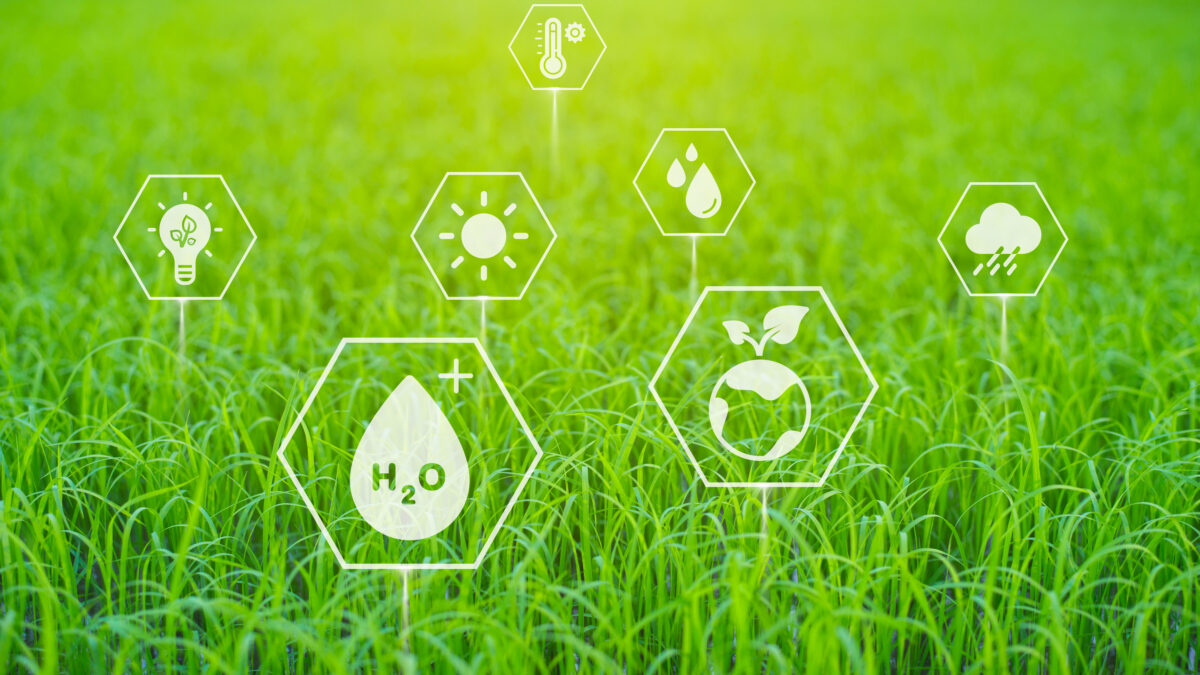
With climate change already making its presence felt through extreme weather phenomena throughout Europe, there is a need to adopt a new model of productive growth in the agricultural sector, based on scientific knowledge and with emphasis on the triptych of environment, innovation and competitiveness. The major environmental challenges the primary sector is currently facing include soil degradation and increasing desertification, scarcity and pollution of water resources, reduction of biodiversity, and especially the loss and degradation of productive land due to natural disasters such as the floods and wildfires that have become increasingly frequent in recent years.
Artificial intelligence – an emerging technology in the agricultural sector – can be used to mitigate the above phenomena. Systems for real-time monitoring of crops; detection of insects, pests and diseases, with optimisation of corresponding sprays; identification of nutrient deficiencies and corresponding variable-rate fertilisation; optimal watering based on airborne and ground-level sensors; timely determination of yield; automated harvesting, processing and even trade – all of which use AI algorithms – have a growing presence in the market. More specifically, it is projected that, in the coming years, AI will contribute in particular to: a) forecasting weather conditions, b) predicting potential risks to crops by monitoring them constantly through various means, c) analysis of market demand for agricultural products, simplifying the process of choosing the most profitable crop to cultivate at a given time, and, finally, d) automation of most manual tasks.
However, cultivation and harvesting of food crops is not the only issue. Downstream from harvest, the UN estimates global food waste stands at 17%. Artificial intelligence cannot contribute directly to raising public awareness of this issue, but it can and – according to predictions – will coordinate a more rational decision-making process regarding conservation, secure market supply and, finally, recycling of food waste into fertilisers.