 Ελληνικά
 Deutsch
 Français
 Svenska
 Türkçe
 한국어
한국어 Suomi
Suomi






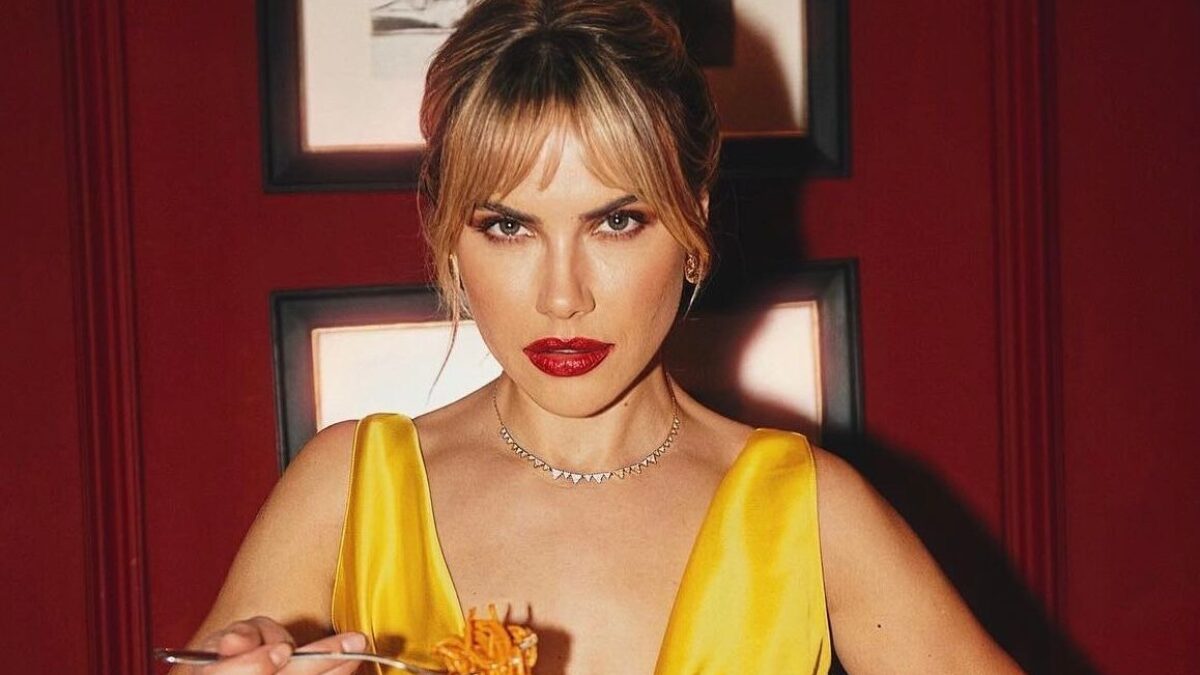
My jump-off point is always the chef’s structure and how he has decided to present his dish. There is an idea, an ingredient and a story behind every final dish. My role as a photographer is not merely to document results, but to depict in as alluring a manner as possible all those elements that together form a dish, from lighting and camera angles to texture, colour and detail.
I view food photography as a narrative tool. Images are my way of rendering the feelings a plate can evoke and depicting the chef’s vision, but always with respect for the main ingredients. And I feel that I have a heightened responsibility when working with Greek products, PDO or otherwise. These products bear the weight of their place of origin and local climate, not to mention of the people and traditions that produced them. Through my lens, their natural state needs to be depicted without hyperbole, allowing them to “speak” through their own authenticity.
That’s why I always schedule a meeting with the chef before every food photography session. Topics of discussion include the sequence of plates and the flow, but especially the structure and philosophy behind every dish. The way a chef approaches his or her ingredients usually dictates my approach as well. Through collaborations with such personalities as Panagiotis Retzis at Nobu or Stamatis Skriapas at Onuki, I’ve come to understand just how crucial this discourse between the chef’s thought and the photographer’s gaze really is.
And as far as restaurants are concerned, my gaze never focuses exclusively on the dishes. I aim to capture the entire experience: the lighting of the space, the aesthetic, the service, the atmosphere. All these together form the context which imbues Greek products with meaning and roles. Far from just producing a pretty still, photography aims to communicate this overall experience.
The trend in food photography in recent years has been to focus on the raw element, something that I find attractive and have been following for years. My favourite part of food photography sessions is the desserts, because we get to eat them afterwards! And once we do, I photograph the plate again: The deconstruction, messiness and traces we leave behind after consuming the dish, are all part of the authenticity of food. It’s the reason why I never focus only on “perfect” dishes, but also on images that relay an experience.
In fact, I think that a human approach to photography is even more valuable in the present day, in which artificial intelligence can produce flawless images. With the proper art direction, feel, and respect for the ingredients, photography can be a catalyst for introducing Greek cuisine and the products it is based on to a wider audience.
Katia Dede, photographer.