 Ελληνικά
 Deutsch
 Français
 Svenska
 Türkçe
 한국어
한국어 Suomi
Suomi






Soultana-Maria Valamoti, Professor, School of History and Archaeology, Aristotle University of Thessaloniki
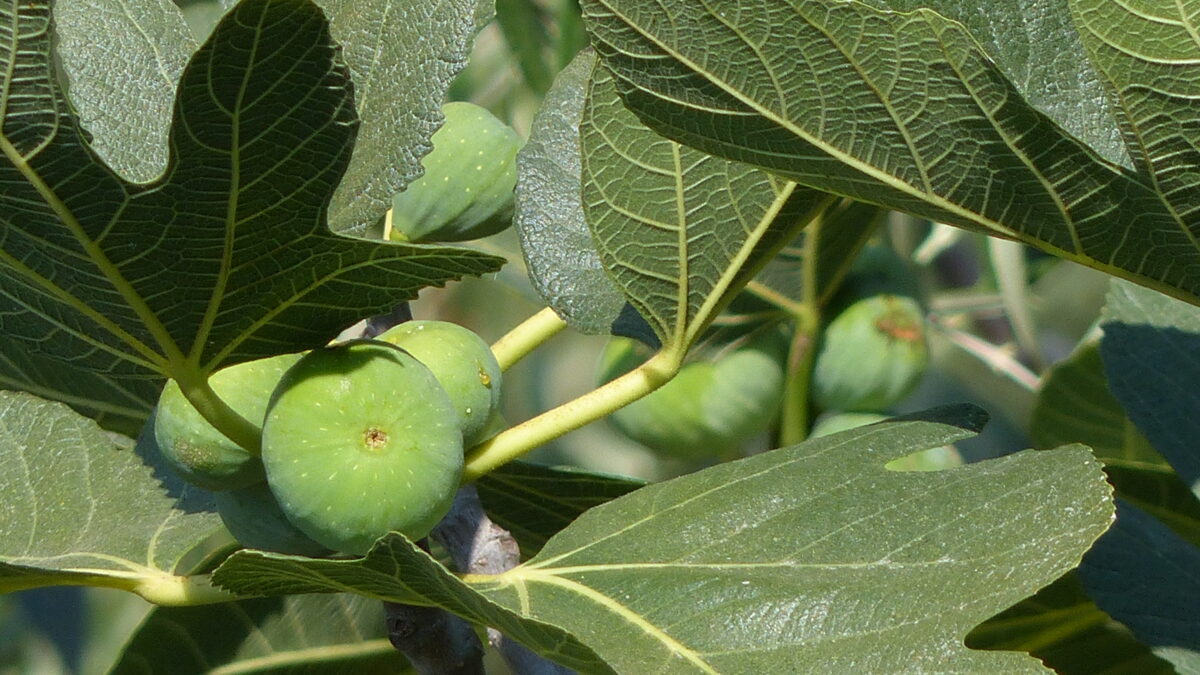
Sweet regardless of how they are processed, figs have been consumed by populations around the Mediterranean since prehistoric times. In Greece, remains of figs have been discovered in Neolithic settlements (7th – 4th millennium BC) in either fragmented or complete form, stored for future consumption. For example, dozens of whole figs were found stored in a hole in the neolithic village of Kyparissi, Vasilika, which dates to the 5th millennium BC. Figs continued to be a vital crop in the Bronze Age; there are fascinating references to co-cultivation of figs and grape vines in Linear B tablets. Figs appear to have been given as rations to the people who worked at the Mycenaean palaces as well. Concurrently, figs were offered during communal meals and as part of religious rituals. The tablets also document large quantities of figs, evidence of systematic cultivation and production. Figs are hypothesised to have been used to sweeten prehistoric wines.
Homer mentions in the Odyssey (8th century BC) that the orchards of king Alcinous and king Laertes, father of Odysseus, were full of fig, olive, pomegranate and apple trees as well as grape vines. In fact, Homer states that as a child, Odysseus received fruit-bearing trees, a fig tree included, from his father. Figs are also mentioned in the verses of the 7th century BC poet Archilochus. Indeed, in one of his poems he paints the mental image of a fig tree growing on rocky ground, the fruits of which are picked at by crows.
At a time when sugar was unknown and sweeteners such as honey were luxury products, figs occupied a prominent culinary position. Ancient Greek writers have written extensively regarding their striking flavour. Homer, writing in the 8th century BC, describes figs as ‘glykerai’, a reference to their sweetness. The poet Xenophanes (7th century BC) compares the sweetness of the fig with that of honey, stating that if the gods had not granted man honey, figs would have taken its place. The comic poets of the 4th and 3rd centuries BC regularly mention figs among other foodstuffs; references to the fruit’s nutritional value can be found in even earlier texts, such as a fragment from the iambic poet Ananius (6th century BC), who notes that if you were to seal 3 people in a room filled with gold and figs, you would realise just how valuable each of those things were. The texts clearly demonstrate that figs came in an array of different size varieties; the more modestly sized were available to all and viewed as a poor man’s fruit, as can be seen in the 6th century BC author Hipponax.