 Ελληνικά
 Deutsch
 Français
 Svenska
 Türkçe
 한국어
한국어 Suomi
Suomi






Soultana-Maria Valamoti, Professor, School of History and Archaeology, Aristotle University of Thessaloniki
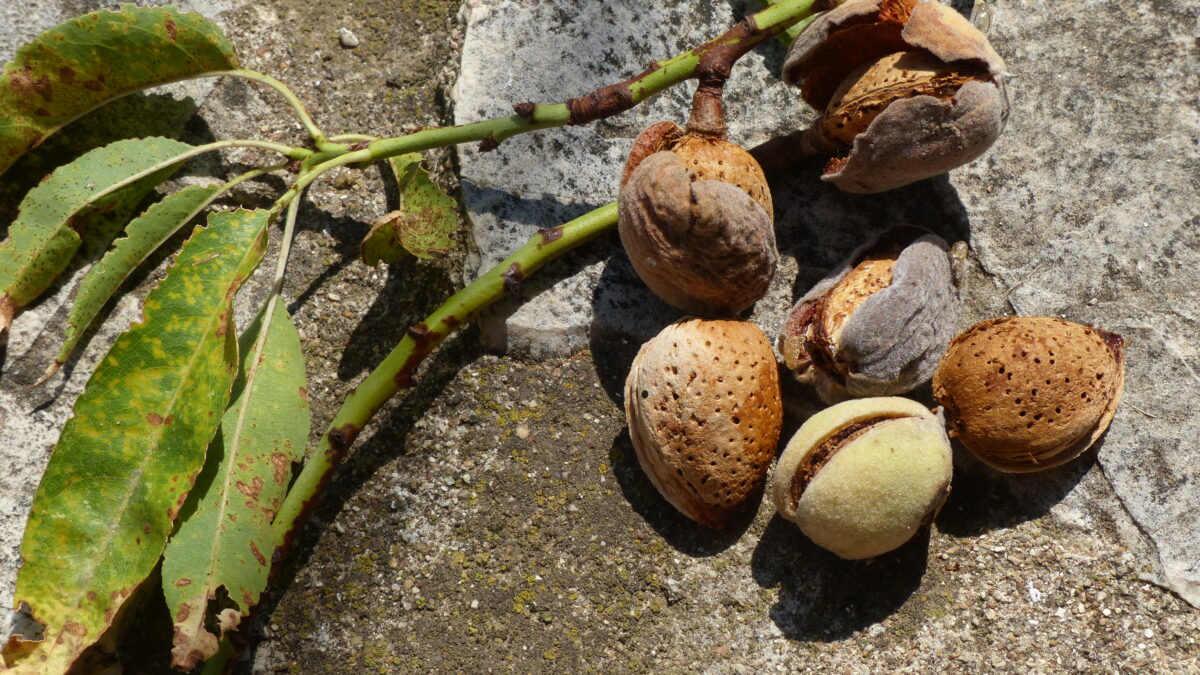
Almond trees have been indigenous to Greece for millennia. Early bloomers, these fruit-bearing trees are some of the first heralds of spring each year. Archaeobotanical remains of almond trees have been uncovered over the course of archaeological digs at Neolithic and Bronze-Age sites such as Franchthi in Argolida, and Knossos and Chrysi in Crete. These are usually carbonised almond shells. Prehistoric populations living in Greece likely harvested almonds, though whether these were bitter or domesticated and cultivated remains an open question. According to Theophrastus and his work On the causes of plants (4th-3rd c. B.C.), almond trees showcase notable longevity, with older trees producing more fruit. In the same work, Theophrastus also states that almond trees thrive even on rocky ground, though more fertile ground does lead to richer and better harvests. In fact, according to a passage from Aristotle (4th c. B.C.), if fertilised with pig manure in March, almond trees will produce larger, sweeter and more tender fruit.
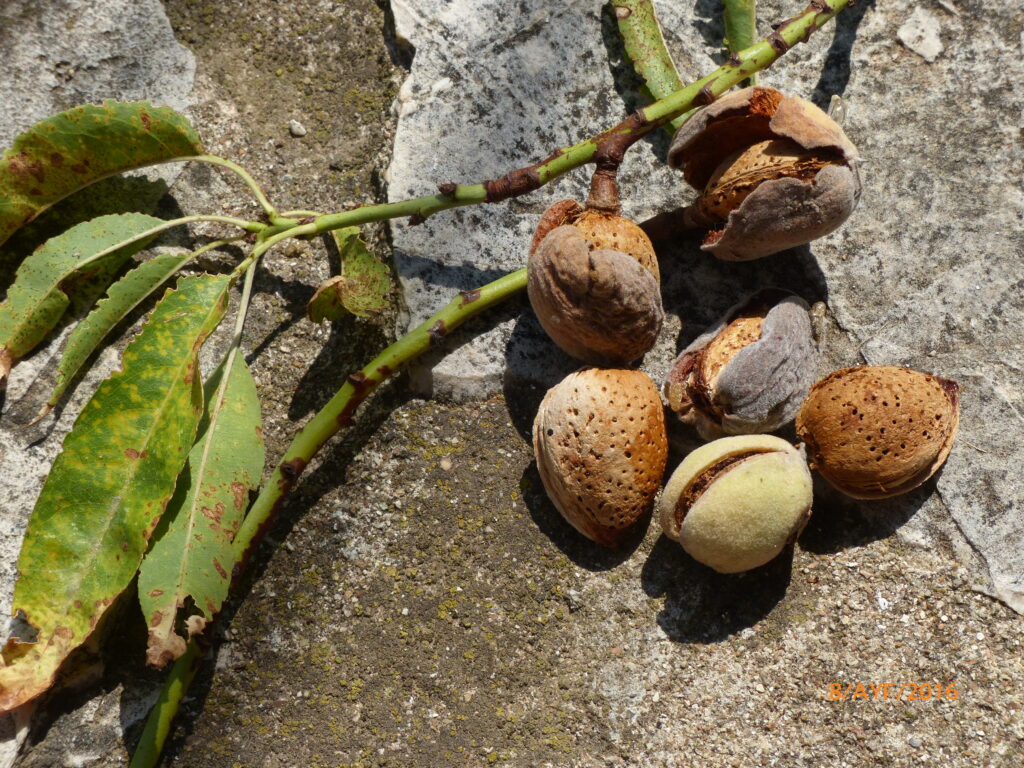
Image 1. Almonds in their shells and hulls. Mikri Mantineia, Messinia, August 2016. Photograph by S.M. Valamoti
References to almond trees and their fruit may be found throughout ancient Greek literature. While relatively few, they nevertheless offer a glimpse into the position almonds occupied in the ancient Greek diet. Almonds are included among lists of foodstuffs found in ancient comedies, such as a passage from Pherecrates (5th c. B.C.) and Alexis (4th c. B.C.), showing that they were widely consumed in antiquity. Naxos almonds especially appear to have been quite famous back then, as shown in two passages from the comics Eupolis and Phrynichus (5th c. B.C.). Nevertheless, almonds also appear to have been imported from abroad, as indicated by the comic poet Hermippus (5th c. B.C.), who mentions almonds from Paphlagonia, a region on the southern Black Sea coast of Asia Minor. Almonds seem to have been frequently paired with honey as accompaniments for wine, as is shown in a passage from the 4th-century comic poet Antiphanes. The 3rd-2nd century B.C. engineer Philo, in his Poliorcetica, provides a recipe for a fortifying concoction made with honey, sesame seeds, and almonds among other ingredients; it was said that a single mouthful of it could adequately sustain soldiers on the march and provide sustenance when supplies were scarce, similar to modern-day energy bars.
Image 2. Sweets featuring varying combinations of almonds, sesame seeds and honey, produced in Messinia and purchased in Kalamata, August 2021. Photograph by S.M. Valamoti
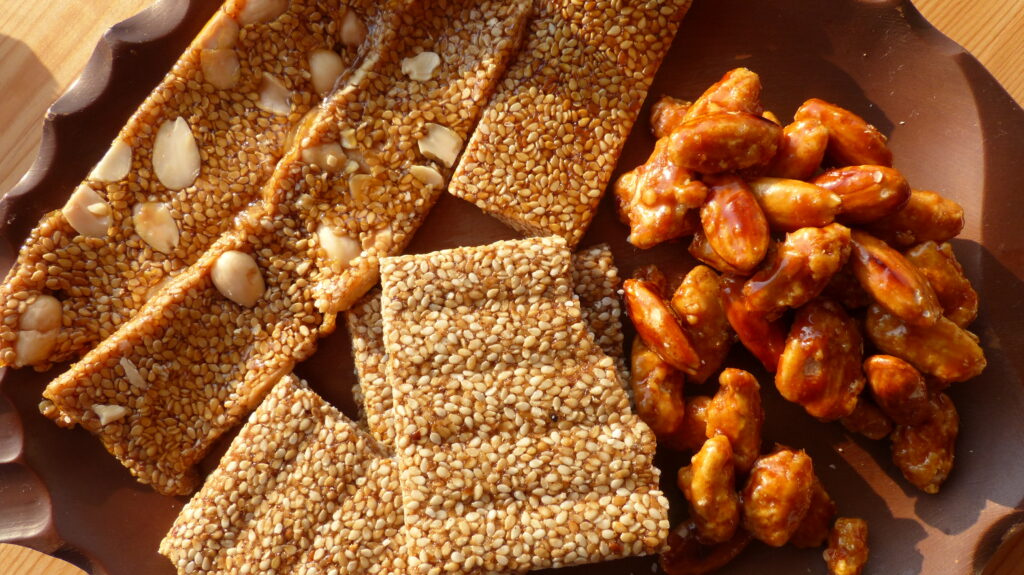
Just like in antiquity, today almonds are a core ingredient in sweets made throughout Greece, whether ground into powder and made into cake, or as the filling in phyllo pastries, or especially in the famous almond sweets that are popular in the islands of the Ionian and Aegean and in certain maritime regions of mainland Greece. Soumada, a beverage made of almonds, sugar, and water, is also popular in certain islands of Greece and throughout the Mediterranean. The combination of almonds with honey as described in ancient texts is available even today as a sweet similar to pasteli in various stores with local products as well as supermarkets. In the Ionian Islands, almonds are included whole –usually coated in sugar– in sweets the locals call mandoles.