 Ελληνικά
 Deutsch
 Français
 Svenska
 Türkçe
 한국어
한국어 Suomi
Suomi






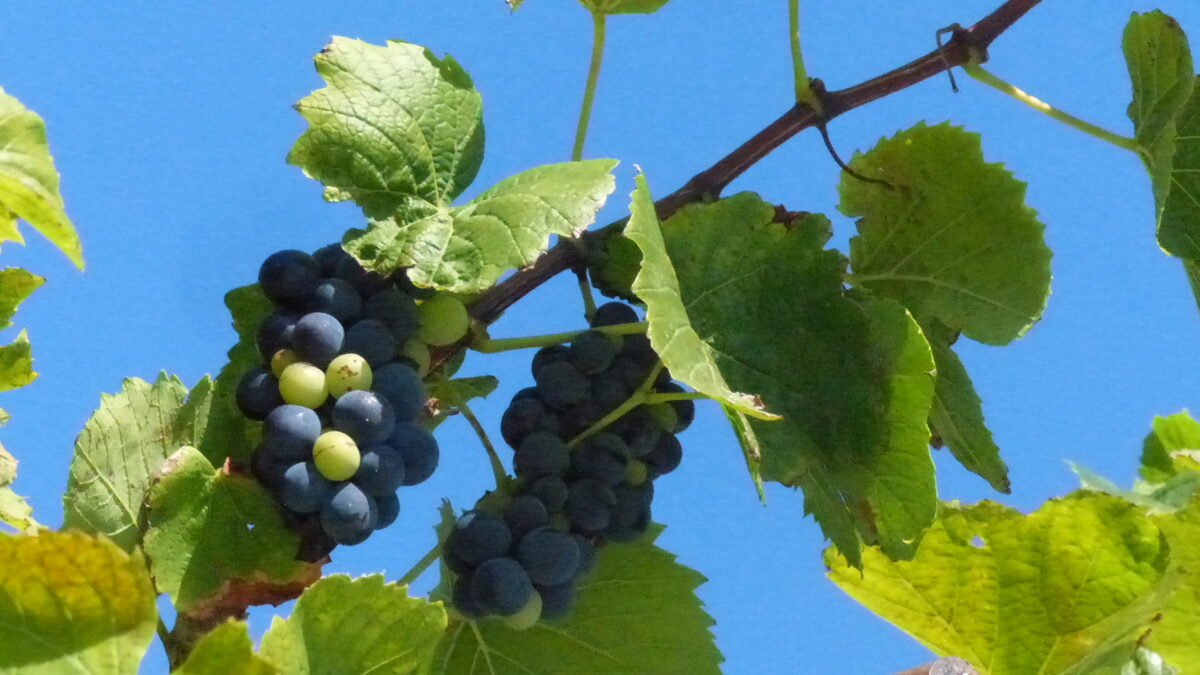
Image 1. Bunch of Grapes, Corfu, July 2021. Photograph by S.M. Valamoti
Soultana-Maria Valamoti, Professor, School of History and Archaeology, Aristotle University of Thessaloniki
With a history going back to the neolithic period, wine, Greece’s favourite beverage, connects modern Greeks with a tradition spanning millennia. The neolithic population of the fertile valley of Drama, near ancient Philippi in northern Greece, was known to have made wine from grapes which they were likely already cultivating, though still wild in form, close to 6500 years ago. The Pre-historic practices of vineyard cultivation and wine production were continued by both the Mycenaeans, as shown by Linear B tablets, and the people who came after them in historical times. Homer (8th c. B.C.) states that vines were among the plants cultivated in the gardens of the legendary kings Alcinous and Laertes, while he also makes frequent references to specific wines, such as the strong variety of king Maron that Odysseus gave to the man-eating Cyclops Polyphemus in order to inebriate him and allow him and his men to escape the Cyclops’ lair. Wine was one of the main ingredients in κυκεώνας, a beverage mentioned as being made of wine and cheese in the Iliad and of wine, cheese and honey in the Odyssey.
Ancient Greek literature abounds with references to vineyards and their cultivation, as well as to wine. The depth of expertise the Greeks possessed in cultivation methods, as well as their knowledge of grape and wine varieties, colour, intensity and aroma depending on where each vineyard was located, is on full display in the texts. Especially fascinating was the connection the Greeks made between wines and the places in which the grapes were grown. Theophrastus (4th – 3rd c. B.C.) notes in his On the causes of plants that different varieties of grape flourish in soils with correspondingly different quality, while the philosopher Posidonius (2nd – 1st c. B.C.) describes the volcanic soil of Catane as ideal for the cultivation of vineyards. In fact, Theophrastus also lists numerous varieties of grape in his Enquiry into plants, each corresponding to a different set of soil conditions and micro-climates in which they were cultivated.
One could even say that the modern concept of wine terroir, the association between varieties of grape and wine characteristics on the one hand and the unique attributes of the soil in which the vines are cultivated on the other, was already well attested in ancient Greece.