 Ελληνικά
 Deutsch
 Français
 Svenska
 Türkçe
 한국어
한국어 Suomi
Suomi






Soultana-Maria Valamoti, Professor, School of History and Archaeology, Aristotle University of Thessaloniki
The first agricultural communities in Greece cultivated a wide variety of legumes, including lentils, peas, lathyrus clymenum, ervil and others. In due course, during the Bronze Age (4th-2nd millennia B.C.), they introduced additional species into their diets, such as broad beans, other varieties of lathyrus clymenum, and in rarer cases, chickpeas. The latter attained greater popularity in historical times (1st millennium B.C. onwards), together with lentils, which had been cultivated and consumed in Greece since the 7th millennium B.C., while new varieties of legumes were also added, including lupins and a bean known as dolichos or phaselos. Lupins are attested in both the ancient literature and the archaeobotanical record. Dolichos, however, is currently only known from the literary sources, a fact which makes it difficult to identify how the legume was introduced to the Aegean from Africa and Asia, where it was most likely domesticated.
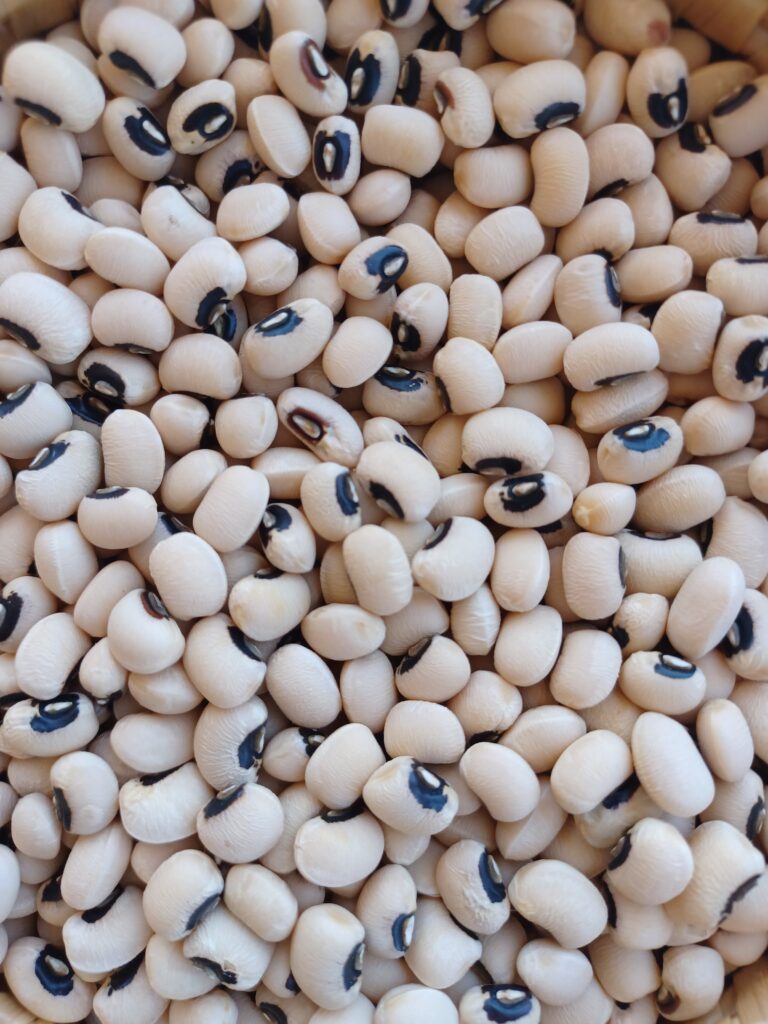
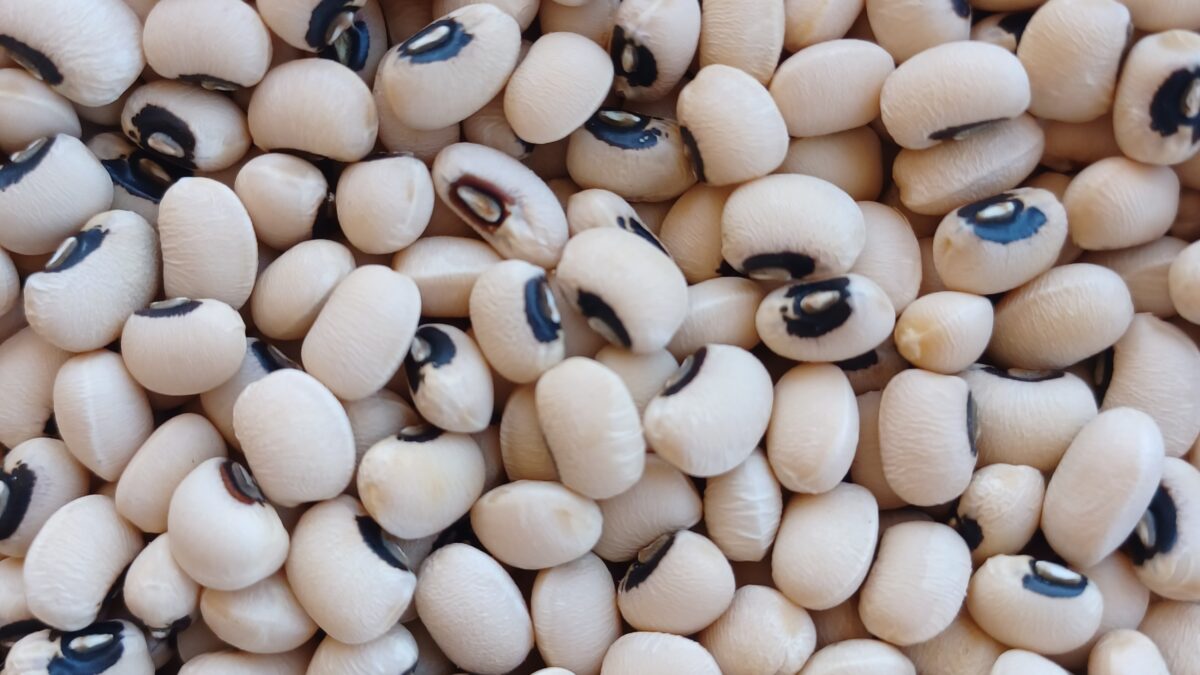
Image 1. Dried black-eyed peas, purchased from a supermarket in Kalamata, imported. Photograph by S.M. Valamoti, 2025.
Identifying dolichos remains a challenge, given the relatively few ancient texts that mention it. According to philologists, it is a synonym for phaselos. A description of the plant corresponding to the term dolichos may be found in the Enquiry into plants by Theophrastus (4th-3rd c. B.C.), who notes that it bears fruit when supported with stakes. He also notes that dolichos differs from the other well-known contemporary legumes, i.e. chickpeas, ervil, lentils, ochros, peas, lathyrus clymenum, broad beans, and lupins. As such, what we know for certain is that it was a climbing plant that required support to produce fruit. Dolichos is first mentioned in the Hippocratic corpus (5th-4th c. B.C.), in which it is described, together with ochros (a variety of lathyrus), as one of the most nutritious and easily digestible forms of legume, in contrast to broad beans and peas. According to Theophrastus, its nutritional benefits include reduced flatulence compared to other legumes. The comic poet Anaxandrides (4th c. B.C.) lists dolichos together with other legumes, such as broad beans, lathyrus clymenum, and ochros. By Galen’s time, the word dolichos seems to have been used synonymously with phaselos, a legume that requires support stakes for cultivation. References to dolichos in the ancient Greek texts are rather rare and suggest that it was cooked similarly to other legumes consumed from the Neolithic period onwards.
In the modern day, dried black-eyed peas are widely commercially available, albeit usually imported from abroad and not grown domestically in Greece. Nevertheless, they remain a staple in traditional Greek dishes and are prepared in various ways. These include mavromatosirv, from the region of Santa, in Pontus, black-eyed peas with cracked wheat (korkoto) from the Peloponnese, and various recipes from the Cyclades and the Ionian islands which call for black-eyed peas with chard or other seasonal greens (myronolachana). Limnos has a recipe for skordalia with black-eyed peas, a testament to the ability of local traditional cuisine to combine domestic goods in new, innovative ways.