
 Ελληνικά
 Deutsch
 Français
 Svenska
 Türkçe
 한국어
한국어 Suomi
Suomi






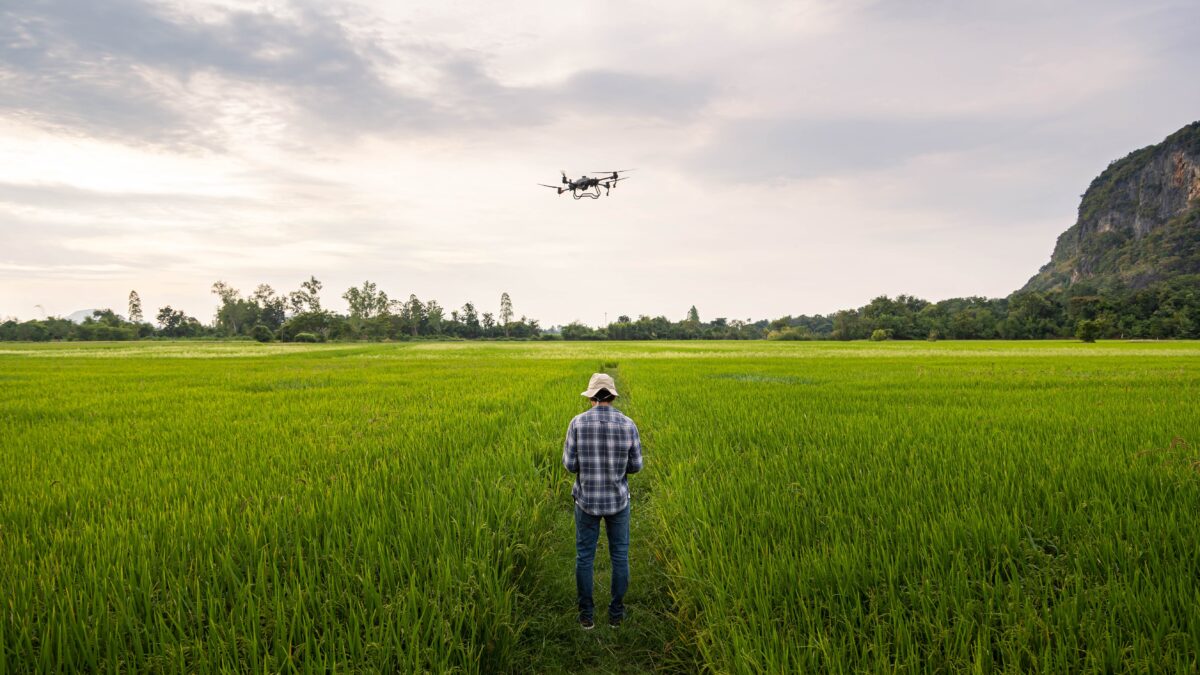
Smart farming has been recognised as one of the best and most effective ways to enhance productivity and increase food production while also protecting the environment. The advantages of smart farming don’t stop there, as we are now seeing recognition of its contribution to the health and safety of farmers and farm workers. According to a report from the European Agency for Safety and Health at Work, technological developments can mitigate risk factors for the safety and health of agricultural workers and improve the work environment. The adoption of technologies such as automation and precision farming can more effectively promote farm management systems, increase profitability, minimise negative environmental impacts, and improve the sustainability of agricultural production. According to the report, prevention of musculoskeletal disorders is one of the most important benefits of introducing smart technologies into the farming sector.
Types of technologies that reduce risks
Remote monitoring of crops and livestock, robotic equipment and smart precision-spraying equipment are among the technologies that can reduce risks. Precision spraying through drones or robotic equipment can be used remotely and reduce the quantity of chemicals used, limit farmers’ exposure to dangerous chemicals like pesticides, and minimise the environmental impact of these chemicals. Additionally, robotic systems for harvesting and other tasks can take on time-consuming and physically demanding farm work, reducing the musculoskeletal problems experienced by farmers and farm workers.
Sensors and meteorological stations are among the technologies contributing to this effort. Crop monitoring and targeted use of chemicals can reduce agricultural workers’ exposure to risks and help them avoid unnecessary travel to and from crops. In the same way, precision livestock farming technologies – beyond their great potential to improve the safety of animals – facilitate herd monitoring and reduce repetitive physical labour like milking and feeding, while simplifying the monitoring of farm animals.