 Ελληνικά
 Deutsch
 Français
 Svenska
 Türkçe
 한국어
한국어 Suomi
Suomi






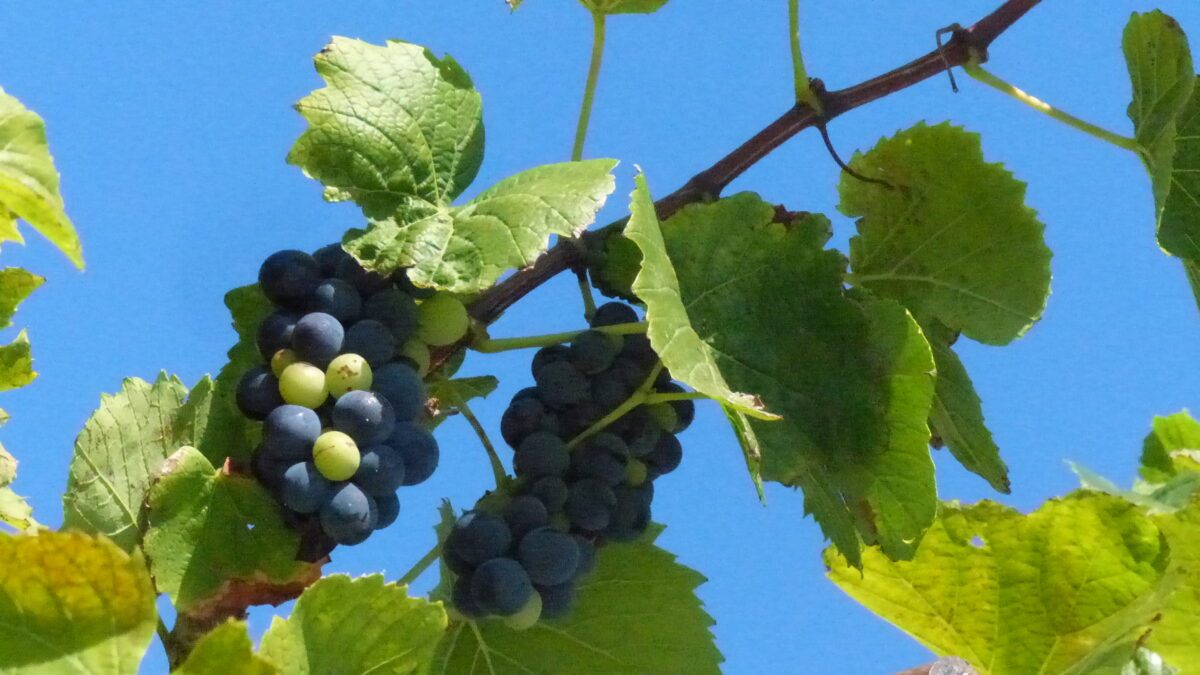
Image 1. Bunch of Grapes, Corfu, July 2021. Photograph by S.M. Valamoti
Soultana-Maria Valamoti, Professor, School of History and Archaeology, Aristotle University of Thessaloniki
The juice produced by crushing grapes is most often associated with wine; nevertheless, it may be consumed in numerous different ways, for example as grape must, grape molasses, or vinegar. Given the similar these three products leave on the vessels in which they were stored in antiquity, it is almost impossible to tell which of these were contained in vessels uncovered over the course of excavations.
Nevertheless, the archaeological record is supplemented in a major way by ancient texts. The term όξος, attested in fragment from a poem by the 7th-century B.C. poet and legislator Solon, is crushed to together with silphium in a mortar and pestle to prepare a consumable. The use of vinegar combined with silphium (a plant that was over-harvested to extinction in antiquity and remains unknown to the present day) is also attested in other sources: in Aristophanes’ Birds (5th – 4th c. B.C.) it is mentioned that vinegar, oil, cheese, and silphium were combined to make a type of sauce that served as an accompaniment for roasted game, together with another sauce, this one sweet and viscous. A passage from the comic poet Alexis (4th c. B.C.) relates a recipe that calls for ground oregano to be mixed with vinegar in a bowl (the λοπάς), given colour with grape molasses (σιραίῳ) and beaten together with plenty of silphium. Additionally, Archestratus (4th c. B.C.) describes a “treat” made of pork belly and womb marinated in cumin, strong vinegar (ὄξος δριμύ) and silphium. Finally, just like salt, vinegar was used as a preservative for meats, as noted by Hippocrates in his On affections, who considers preserved and cured meats easier on the stomach than their fresh versions.
Vinegar was thus evidently a handy product with a variety of everyday uses. As such, it should come as no surprise that it even found its way into elevated poetry; Aeschylus, in his tragedy Agamemnon (5th c. B.C.), has Clytemnestra comparing the mingling of voices of the victors and the vanquished in Troy to a vessel in which vinegar and olive oil have been mixed together. Aristophanes also employs the term as part of a metaphor in his Wasps, in which he describes a criminal complaint as “vinegary”, meaning that it would turn sour for the person who submitted it. Aristophanes also uses the terms ὀξωτά to describe vinegary delicacies and ὀξίς as the name for the special vessel in which vinegar would be served (Plutus, the Frogs respectively).
Given that it was produced from wine, vinegar is often encountered under the term οίνον οξίνην, i.e. soured wine, a natural means of turning wine into vinegar. The term is related, among others, by Theophrastus (4th – 3rd c. B.C.) in his Enquiry into plants. References to this method of producing vinegar may also be found in the later writer Alexander of Aphrodisias. Apart from wine vinegar, ancient texts also refer to vinegar made from dates, a common product in Asia as demonstrated by Xenophon’s Anabasis (5th c. B.C.).
In the modern day, vinegar continues to play a major supporting role in recipes such as sofrito from Corfu, or stews. It remains a vital means of preserving olives, capers, bulbs and rock samphire, as well as a main ingredient in sauces used as salad condiments, together with honey, grape molasses, or aromatic herbs. It imbues other ingredients with a tang, similarly to how it was used in ancient Greece.