 Ελληνικά
 Deutsch
 Français
 Svenska
 Türkçe
 한국어
한국어 Suomi
Suomi






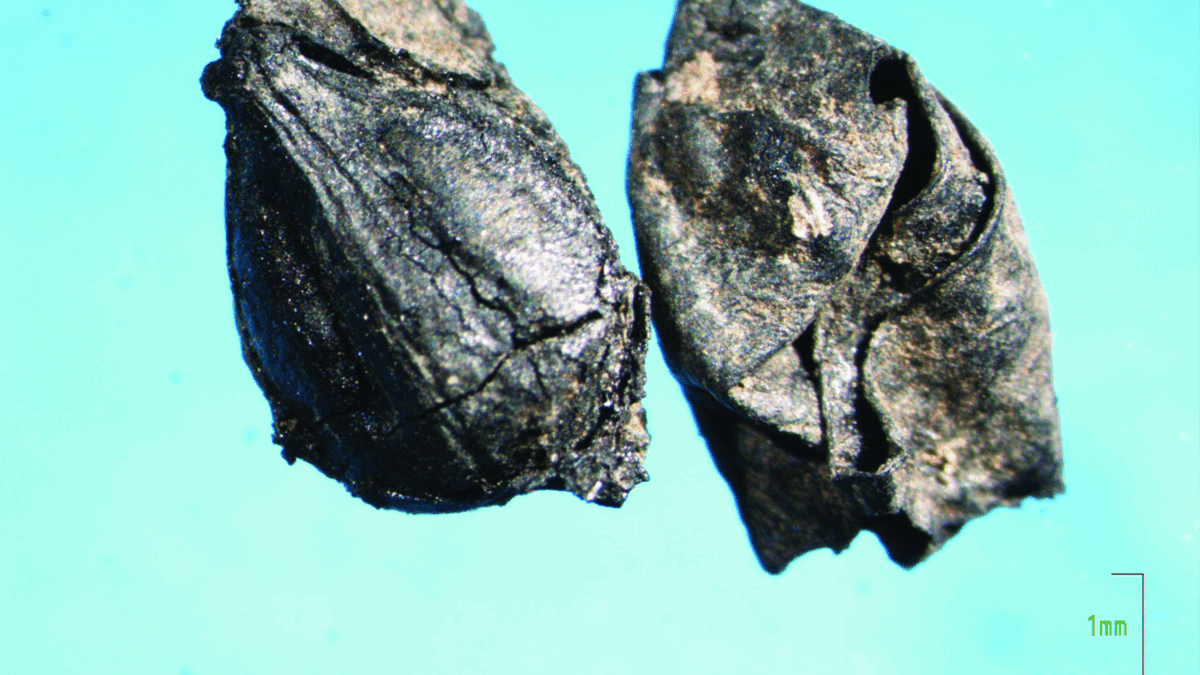
Image 1. Pressed grape marc, Dikili Tash (Philippi, Kavala), 4300 B.C. Photograph from S.M. Valamoti, 2023.
Soultana-Maria Valamoti, Professor, School of History and Archaeology, Aristotle University of Thessaloniki
Vineyard cultivation and wine-making are some of Greece’s oldest professions, with thousands of years of history. The oldest documented wine in Europe was made in the Drama plain in northern Greece, according to palaeobotanical data from the neolithic settlement of Dikili Tash, which dates to 4300 B.C. No surprise, then, that Dionysus, god of wine, ecstasy, and symposia, was first attested in Mycenaean Greece. Theopompus (4th c. B.C.) relates a tradition according to which wine is a repeating miracle, which occurs over the course of revelries in honour of Dionysus. In another version, also related by Theopompus, black wine was first made on Chios, and it was Oenopion, son of the god Dionysus, who first taught the island’s residents how to plant and cultivate vineyards. They then transmitted this knowledge.
Theophrastus (4th – 3rd c. B.C.) mentions varieties of vine based on the colour of their grapes: white, black, and grey. He also describes a variety that produced both white and black grapes. Some of the earliest references to black and red wine may be found in Homer’s Odyssey (8th c. B.C.). In his Deipnosophists, Athenaeus (2nd – 3rd c. A.D.) describes three types of wine based on colour: black, white, and orange or wax-coloured. It is unclear whether the red wine mentioned in the Odyssey is another term for black wine or refers to a lighter-coloured variety. Each variety had its own nutritional value and attributes, as documented by Mnesitheus of Athens (4th c. B.C.). Ancient texts laud such diverse places as Thrace, Thessaly, Evia, Epidaurus, Messinia, Crete, Kythira, Amorgos, and Milos, as well as cities such as Afytos and Akanthos in Chalkidiki, for the quality of their wines. The ancient Greeks cultivated a truly striking variety of wines, not only as regards origin, but also colour, aroma, and flavour. Homer’s Odyssey and Xenophon’s Anabasis (5th – 4th c. B.C.) include references to enjoyable (ηδύ) wine, while Hippocrates refers to sweet wine and Homer to wine sweet as honey. Hippocrates (5th – 4th c. B.C.) and Xenophon also refer to a variety of wine known as ‘αυστηρό’ – austere – while, according to the former, wines with a tart flavour were also produced. He also distinguishes between milder and stronger wines (depending on how vinous their flavour was). Ancient texts also describe the aromas of wine in addition to its colour and flavour. Aristophanes’ Plutus (5th – 4th c. B.C.) is just one of the works to mention ‘anthosmias oenos’, a wine with a flower-like fragrance. In addition, the comic poet Hermippus (5th c. B.C.) describes an aged wine that gave forth aromas of violet, rose and hyacinth.
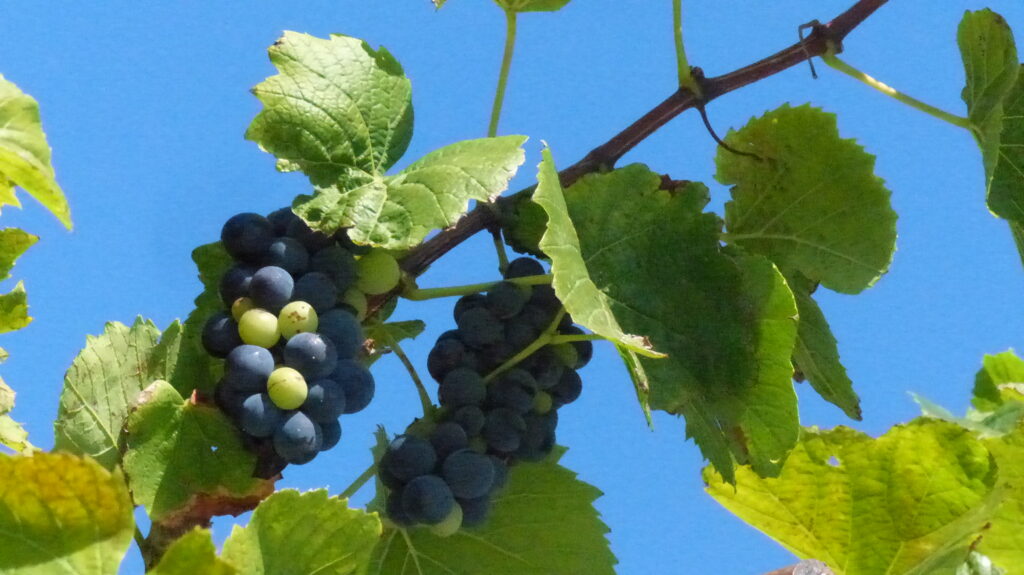
Image 2. Bunch of Grapes, Corfu, July 2021. Photograph by S.M. Valamoti