 Ελληνικά
 Deutsch
 Français
 Svenska
 Türkçe
 한국어
한국어 Suomi
Suomi






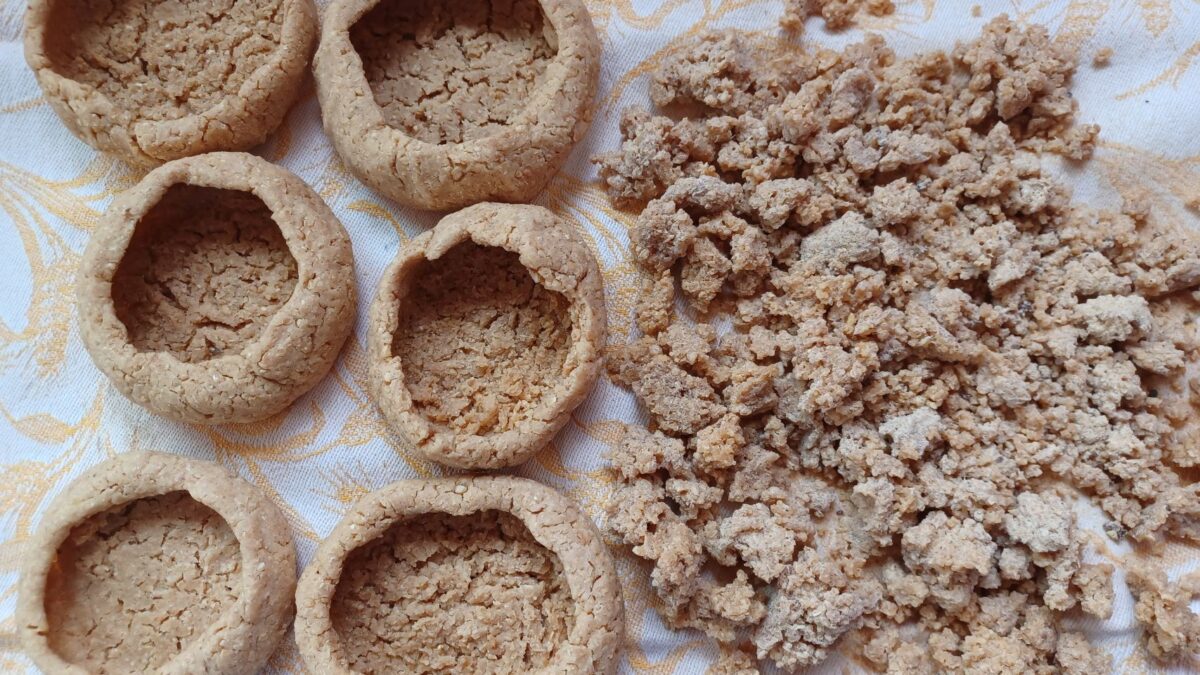
Image 1. Chachles from Lesvos (left) and wheat trahanas (right), photograph by S.M. Valamoti, July 2025.
Soultana-Maria Valamoti, Professor, School of History and Archaeology, Aristotle University of Thessaloniki
Trahanas: both an ingredient and a recipe, this dietary staple has remarkable variety and exceptional nutritional benefits, while its ease of use makes it ideal as a component in numerous recipes. Equally remarkable is its history, with the earliest evidence of its consumption dating to the Bronze Age and the Mesimeriani Toumba archaeological site at Trilofo, Thessaloniki, where carbonised remains were found in a house that burned down around the end of the 3rd millennium B.C. There, carbonised pieces of grain were discovered in a clay vessel; these pieces had been heat-treated with a liquid that could potentially have been milk or soured milk, a basic ingredient of trahanas. The wheat trahanas consumed in Greece today is produced by combining a dairy product, usually milk or soured milk, and cracked grains, mainly wheat; the latter may be either unboiled, like in the Pontic korkoto and Cretan chondros, or bulgur, i.e. pre-boiled, ground wheat. After boiling together and being seasoned with salt to help preserve the final product, the final product is laid out in the summer sun to dry out and keep for long periods of time.
The ancient Greek literary sources abound with references to the combination of grains and dairy products. Μάζα αμολγαίη, a preparation made of ground barley and milk, is described in Hesiod’s Works and Days (8th – 7th c. B.C.) while chondros, coarsely ground wheat, is included as an ingredient in a recipe that calls for it to be soaked in milk, according to a passage from Pherecrates (5th c. B.C.). Hecataeus of Abdera (4th – 3rd c. B.C.) notes that the Egyptian priests regularly consumed chondros boiled in milk. However, what is not clear, in the scant instances in which the ancient writers note that coarsely ground wheat or ground barley are mixed, boiled, or kneaded with milk, is whether they are describing a recipe that would approximate the modern-day wheat trahanas.
The modern wheat trahanas is a complete food that combines a starch (wheat) and a protein (milk, fresh or soured), and can be made into a nutritious, filling meal easily, quickly and cheaply, with just a bit of boiling. Trahanas exhibits remarkable variety, from thick lumps in Crete, where it is known as ksinochontros, to the small, boat-like chachles of Lesvos. It is suitable for all ages and exceptionally easy to eat, making it ideal for both young children and the elderly who have lost their teeth. It could thus be seen as a centuries-old recipe that would have been the go-to fast food for all ages, its preparation enabling it to be stored for long periods of time in cellars back when refrigerators and electric kitchen appliances did not exist.
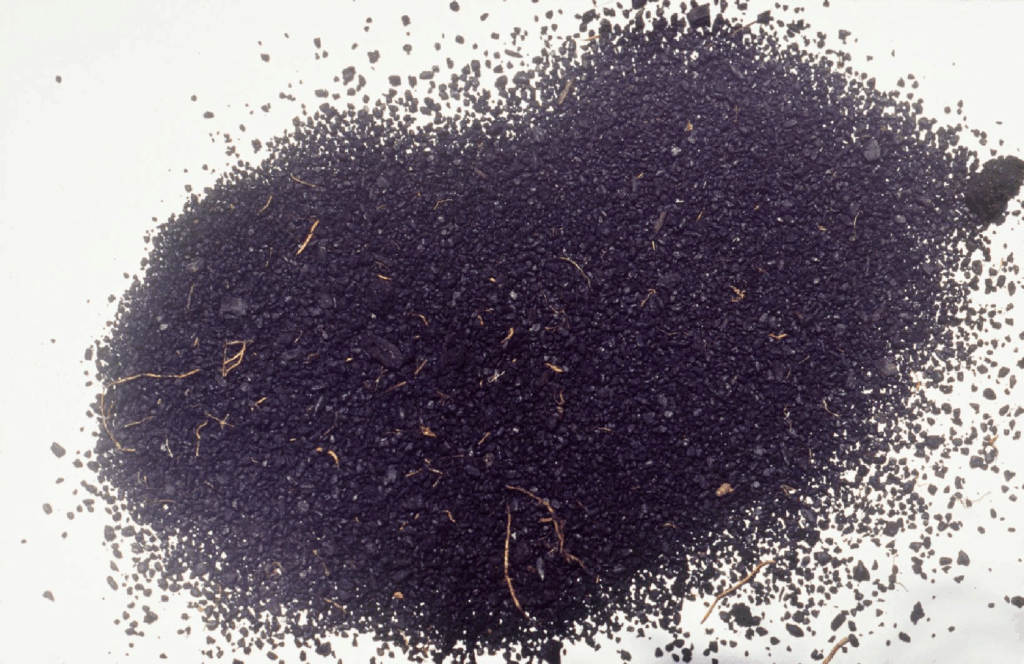
Image 2. Carbonised wheat grains from Mesimeriani Toumba near Thessaloniki, c. 2100-1900 BC., Valamoti et al. 2019, Journal of Archaeological Science