 Ελληνικά
 Deutsch
 Français
 Svenska
 Türkçe
 한국어
한국어 Suomi
Suomi






Soultana-Maria Valamoti, Professor, School of History and Archaeology, Aristotle University of Thessaloniki
With the sea surrounding the land of Greece, it is not at all surprising that marine dietary resources appear consistently in the archaeological deposits of human settlements as early as the 9th and 8th millennia BC, even before the villages of farming and herding groups emerged.
There are frequent references to fish consumption in ancient Greece, with mention of the types of fish, the fishing techniques, the places of origin of the catch, the methods of catching them, the ways they were consumed, and specific recipes. A vivid description of the celebrated fish of antiquity is found in Archestratus’ work Hedypatheia (4th century BC), where he recommends fish from ancient lakes and seas, such as eels from Lake Kopais and the River Strymon, grey mullet from Abdera, dogfish from Rhodes, gilt-head bream from Delos or Eretria, and many others. However, as Athenaeus notes in his Deipnosophists (2nd–3rd century AD) in his survey of the terms used for various fish, there is a difficulty in precisely identifying some species. For example, the general term galeoi includes species with differing characteristics, according to Aristotle (4th century BC) and Dorian in his On Fish. The terminology also appears to vary in relation to the species it denotes, depending on the period of antiquity and the region.
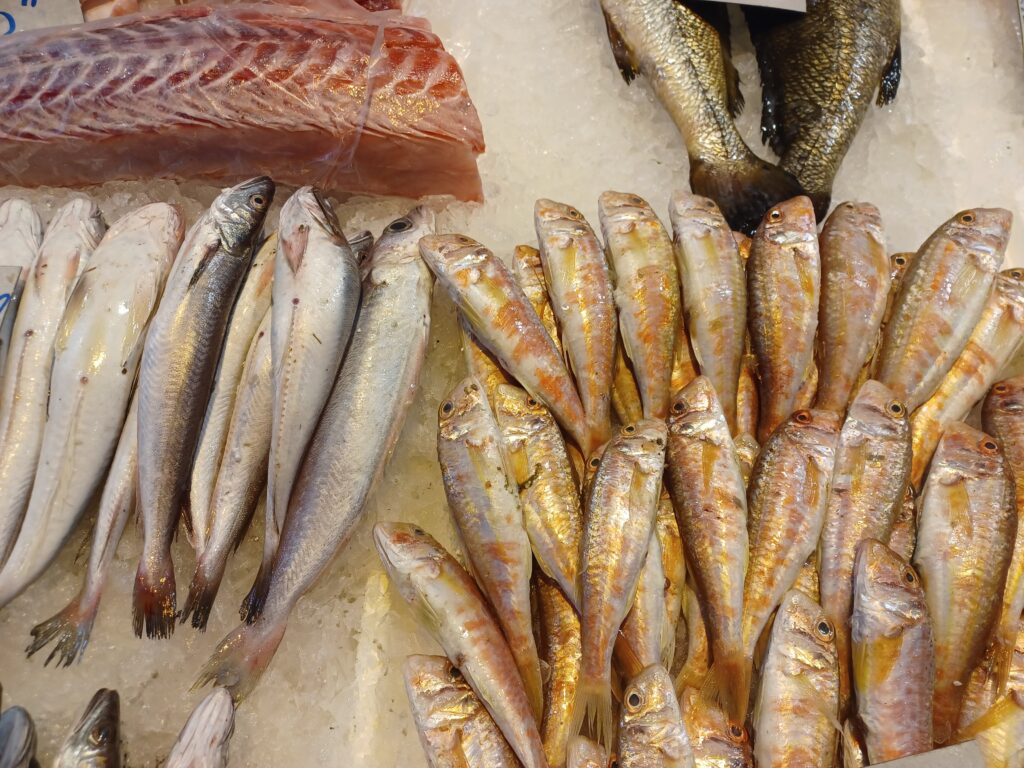
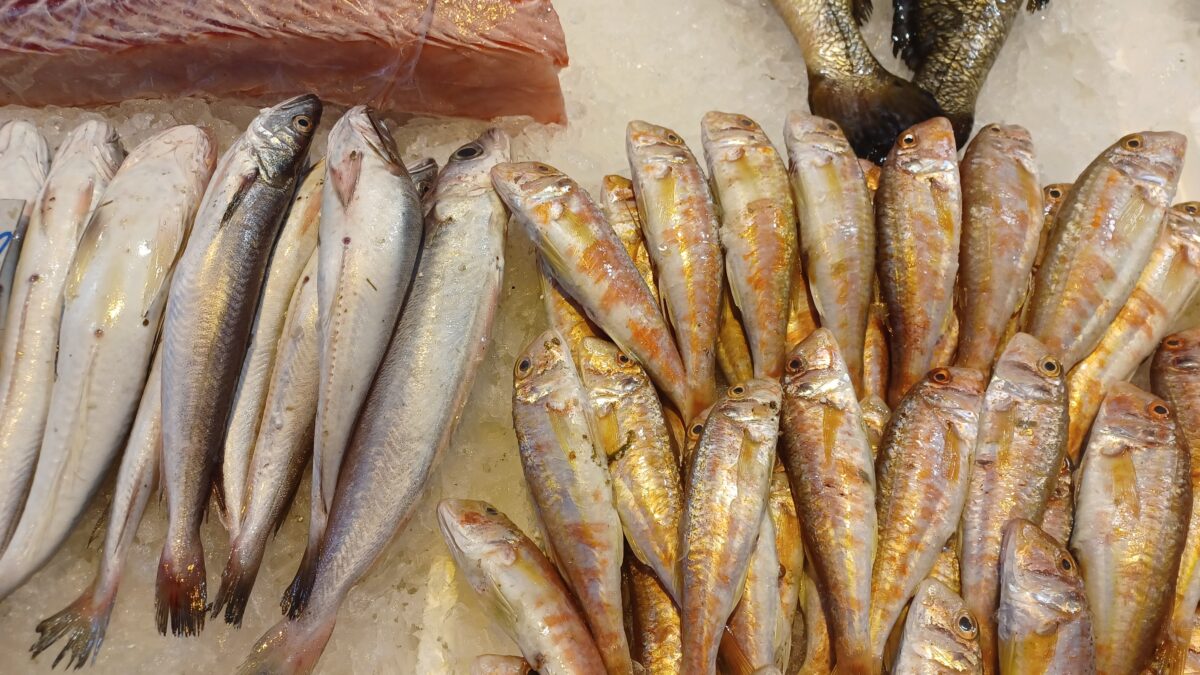
Image 1.1.a Fresh fish at the fish market of Thessaloniki, October 2025. Photograph by S.M. Valamoti
For a type of catch referred to as karcharias (shark) Archestratus (4th century BC) provides what he calls a ‘divine’ recipe using fillet from the belly of this species – something one can buy in the city of the Toronaeans, present-day Toroni in Chalkidiki. As Archestratus notes, after sprinkling all the pieces of karcharias with cumin, they should be cooked without much salt, and the only additional ingredient should be olive oil. When the fish is done, Archestratus’ recipe continues, it should be sprinkled with to trimmation, that is, a small quantity of trimma, an aromatic liquid made from ground cereals and spices. As for cooking the fish on the concave side of a lopas – a pot or pan – he stresses that neither water nor vinegar should be added, only cumin together with oil and fragrant leaves. Regarding the cooking itself, he notes that the fish should be roasted without being brought too close to the flame of the embers, turning it constantly so that it does not scorch or burn.
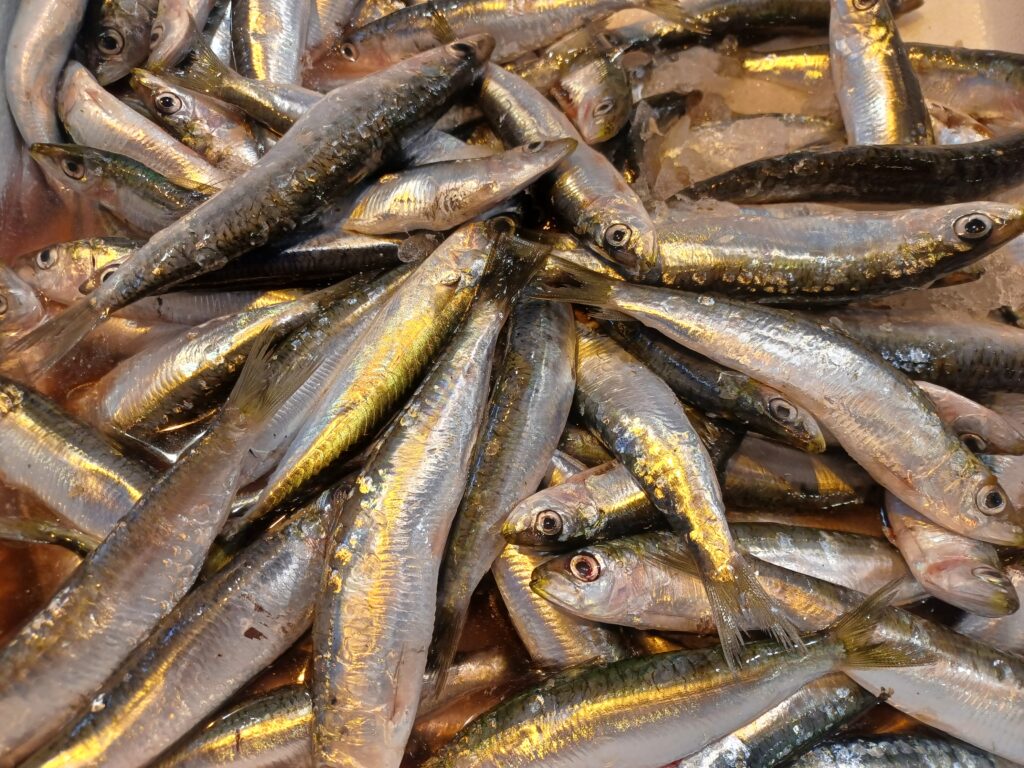
Image 1.1.b Sardines at the fish market of Thessaloniki, October 2025. Photograph by S.M. Valamoti
This recipe shows the care with which the haute cuisine of ancient Greece used exceptional raw ingredients and the deep knowledge of techniques required to transform a catch into an exquisite dish. Large fish, as in antiquity, are today expensive and often the centrepiece of a good meal, usually to mark a special occasion.
Bibliography
Some of the information above was drawn from the following papers:
Dalby, A.E. W. 1996. Siren Feasts: A History of Food and Gastronomy in Greece
Mylona, Dimitra (2007) Fish-eating in Greece from the fifth century BC to the seventh century AD : a story of impoverished fisherman or luxurious fish banquets? University of Southampton, Doctoral Thesis.
Veropoulidou, Rena 2014. Όψεις της διατροφής και του υλικού πολιτισμού της Νεολιθικής και της Εποχής Χαλκού στην κεντρική Μακεδονία. Μια οστρεοαρχαιολογική προσέγγιση (Aspects of Neolithic and Bronze Age diet and material culture in central Macedonia: the evidence from shell analyses). In the volume E. Stefani, N. Merousis, A. Dimoula (eds), A century of research in prehistoric Macedonia. International Conference Proceedings. Archaeological Museum of Thessaloniki, 22-24 November 2012
And
Theodoropoulou, T. (2023). Same sea, different catches. Exploring ecological variations vs. Human choices in prehistoric Mediterranean: The Aegean case. PALEO. Revue d’archéologie préhistorique, (Hors-série), 176-194.